The 2027 Bungoma gubernatorial race is already taking shape as one of the most closely watched political contests in Western Kenya, with Westlands MP Tim Wanyonyi emerging as an early frontrunner against Kimilili MP Didmus Barasa and former governor Wycliffe Wangamati.
Political analysts point to a mix of shifting alliances, public perception, and candidate positioning as key factors placing Wanyonyi ahead—at least in the early stages of the race.
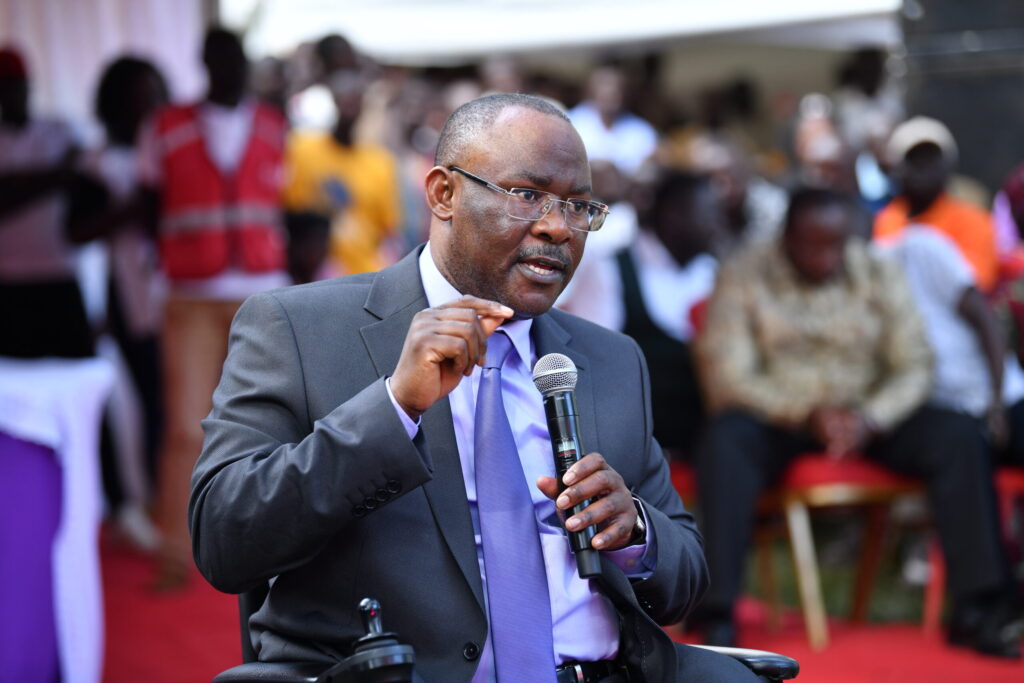
Coalition Building Gives Wanyonyi Early Advantage
Wanyonyi’s growing influence in Bungoma has been largely attributed to his ability to consolidate support across political divides. Several leaders in the county, including Members of Parliament, are reportedly gravitating toward his camp, signaling a possible realignment ahead of the elections.
His links to influential political figures at the national level have further boosted his profile, giving him access to networks and resources critical in mounting a successful countywide campaign.
Observers note that in Kenyan politics, such elite backing often translates into grassroots mobilization, strengthening a candidate’s reach across constituencies.
Wangamati Faces Burden of Incumbency Legacy
For Wangamati, the challenge lies in overcoming the weight of his previous tenure. Having served as Bungoma governor between 2017 and 2022, his administration remains a focal point of public scrutiny.
His unsuccessful re-election bid in 2022 continues to shape perceptions, with critics questioning his track record and ability to regain voter confidence.
While he retains a loyal support base, analysts argue that voters may be inclined toward a “fresh start,” a narrative that works in Wanyonyi’s favor.
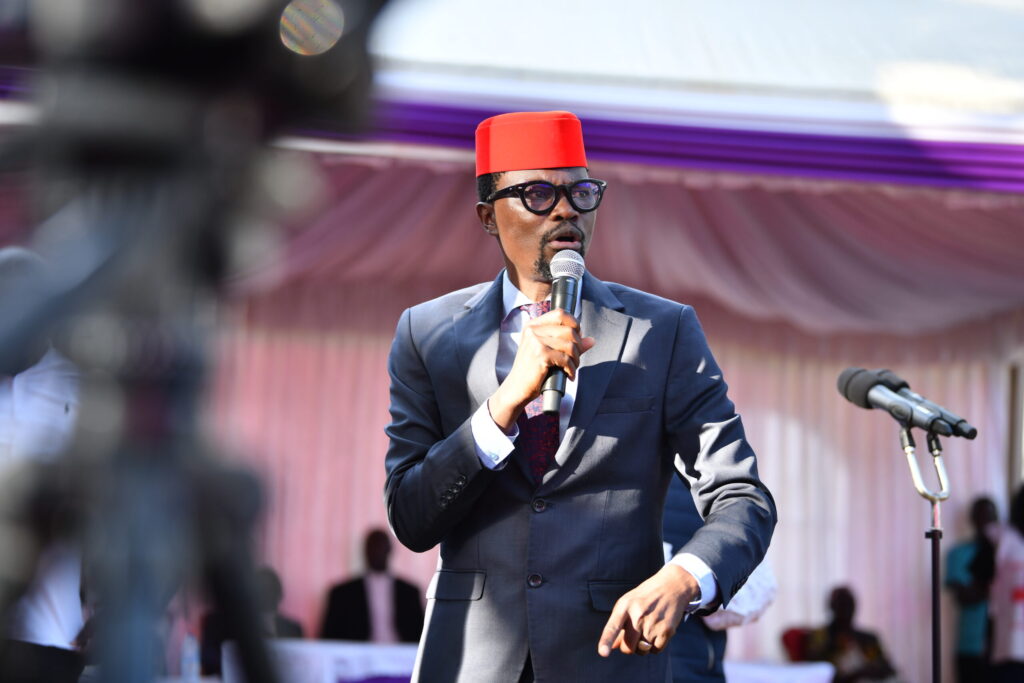
Barasa’s Strengths Offset by Polarization
Barasa enters the race with a strong grassroots following, particularly in parts of Mt. Elgon and surrounding regions. His alignment with the ruling political establishment also positions him as a formidable contender.
However, his combative political style has drawn mixed reactions. While it energizes his base, it risks alienating undecided voters who often determine countywide outcomes.
Analysts also point to the risk of vote fragmentation, with multiple strong candidates likely to split support across different regions of the county.
A “Bridge Candidate” in a Divided Field
Wanyonyi’s campaign appears to be built around a unifying message. Seen as less confrontational and more technocratic, he is positioning himself as a candidate capable of bridging Bungoma’s regional and political divides.
His experience representing the cosmopolitan Westlands constituency is also being framed as evidence of his administrative capacity and exposure to urban governance.
“Bungoma is not just about strongholds anymore. You need a candidate who can appeal across the board,” noted a local political analyst.
Momentum Shifting the Race
Since declaring his interest, Wanyonyi has injected new energy into the race, with analysts suggesting his entry has reshaped the political landscape.
His growing momentum has, in turn, attracted more endorsements, creating a ripple effect that could further consolidate his position ahead of the polls.
Race Still Wide Open
Despite Wanyonyi’s apparent early lead, political observers caution against premature conclusions. Bungoma’s electoral dynamics remain fluid, influenced by turnout, local alliances, and shifting voter sentiments.
With more than a year to the election cycle, the contest between Wanyonyi, Barasa, and Wangamati is expected to intensify, setting the stage for a highly competitive battle for the county’s top seat.
As campaigns gather pace, one thing is clear: Bungoma is headed for a defining political showdown.